
Restore Movement
IASTM Therapy
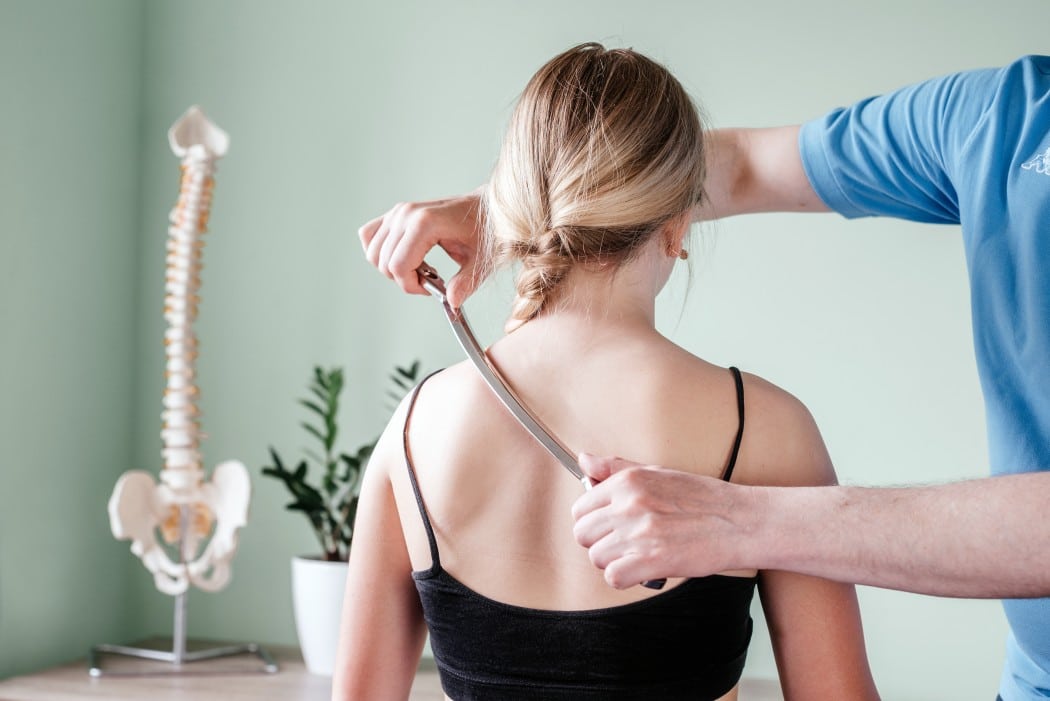
What Is IASTM Therapy?
The Instrument Assisted Soft Tissue Mobilization has been made of different materials, but a popular one is the Graston Technique. It can help alleviate symptoms associated with limited or painful motion motor control issues. They are one of the most, if not the most, effective way of targetting tight and congest fascia.
Soft-tissue injuries are often delayed in patients. A doctor is not usually seen for weeks or months after the injury occurs. The self-healing process has already been completed by this time. Adhesions and scar tissue have developed, which might cause discomfort and restricted motion. These can be like superglue to the body. New cells form in a disorganized manner when scar tissue develops.
How Does IASTM Therapy Work?
The IASTM is a technique that employs controlled microtrauma to create a local inflammatory response in the soft tissue region. When you don’t allow the muscles to relax and lengthen properly, this can delay healing. The physical therapist will frequently have to restart the healing process in order for the soft tissue to be remodelled in the afflicted region.
This causes excessive scar tissue to reabsorb and the remodelling of the soft tissue structure damaged as a result of it. The cells will become organized following this treatment, which will aid in the development of movement by better promoting tissue organization.

Our Approach
We have a holistic approach to getting you back on your feet. At Move Origin, our goal is for each patient's treatment plan not only includes restoring range-of motion and stability but also building strength so they can be as active with their new lifestyle!
IASTM Massage Therapy for Enhanced Recovery
IASTM massage therapy is a specialised technique where therapists use ergonomically designed tools to gently scrape or glide over the skin. This process helps break down scar tissue, release muscle adhesions, and stimulate blood flow to the affected area. Unlike traditional massage, IASTM allows for more targeted and deeper tissue work, making it especially effective for chronic pain, sports injuries, and post-surgical rehabilitation.Key Benefits of IASTM Massage Therapy:
- Accelerated healing: Promotes faster tissue repair and regeneration.
- Pain relief: Reduces discomfort from muscle knots, tendinitis, or overuse injuries.
- Improved mobility: Restores range of motion in stiff or restricted areas.
- Enhanced performance: Helps athletes recover quickly and prevent future injuries.
The Role of Scraping Therapy in Physical Rehabilitation
You might hear IASTM therapy referred to as scraping therapy because of the gentle scraping motion used during treatment. This technique is rooted in ancient healing practices but is now backed by modern research and clinical experience.How Scraping Therapy Works?
- Special tools are used to apply controlled pressure and movement across the skin.
- This stimulates the body’s natural healing response, increasing blood flow and reducing inflammation.
- Scraping therapy can be combined with stretching, exercise, or other manual therapies for optimal results.
Scraping therapy is particularly beneficial for:
- Scar tissue from injuries or surgery
- Chronic muscle tightness or pain
- Conditions like plantar fasciitis, IT band syndrome, or tennis elbow
How IASTM Massage Complements Other Manual Therapies?
IASTM massage is most effective when integrated into a comprehensive treatment plan. At Move Origin, therapists often combine IASTM with other modalities, such as remedial massage, trigger point therapy, dry needling, and active release techniques. This holistic approach addresses both the root cause of pain and the surrounding soft tissue restrictions, leading to better, longer-lasting results.When to Consider IASTM Massage?
- You have stubborn muscle knots that don’t respond to regular massage.
- You’re recovering from an injury and want to speed up the healing process.
- You’re an athlete looking to optimise performance and prevent injuries.
- You want to improve flexibility and reduce the risk of future problems.
