
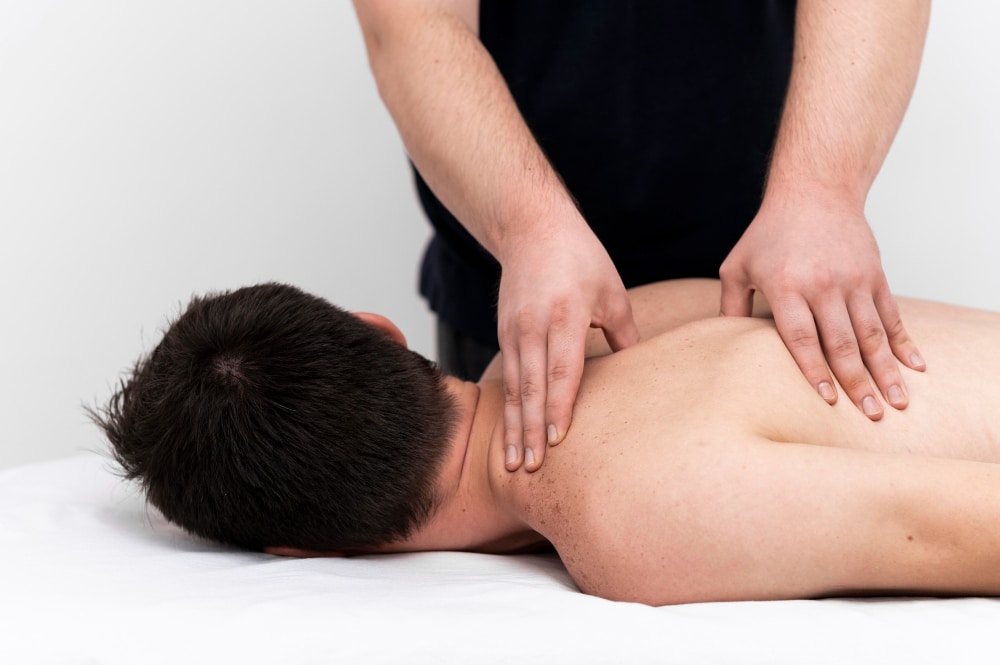
Hip and leg pain affects millions of people worldwide, limiting mobility, disrupting sleep, and diminishing quality of life. With 36.5% of adults experiencing lower limb pain and 19.2% reporting hip pain specifically, finding effective, non-invasive treatment options has become increasingly important. Whether your discomfort stems from arthritis, muscle tightness, injury recovery, or postural imbalances, deep tissue therapy offers a scientifically supported approach to managing persistent pain in the hip and leg regions.
At Move Origin in Bella Vista, we specialize in deep tissue therapy techniques that target the deeper layers of muscle and connective tissue responsible for chronic pain. Unlike relaxation massage, this therapeutic approach uses sustained pressure and specific methods to address the root causes of hip pain relief and leg pain treatment, providing lasting improvements rather than temporary comfort.
Understanding Hip and Leg Pain: Common Causes and Challenges
Hip and leg pain represent a complex challenge because these interconnected structures work together during virtually every movement. The hip joint bears approximately 300% of body weight during standing and walking, making it particularly susceptible to overuse, degeneration, and injury. Understanding what causes your pain is the first step toward effective treatment.
Common Causes of Hip and Leg Pain
Arthritis and degenerative conditions affect over 7% of the global population, with cases increasing by 113.25% from 1990 to 2019. Osteoarthritis in the hip joint creates inflammation, stiffness, and pain that often radiates down the leg. The prevalence of hip pain-related diseases continues to rise as populations age, with significant impacts on daily function and mobility.
Muscle imbalances and postural problems develop from prolonged sitting, repetitive movements, or athletic training that overworks certain muscle groups while underutilizing others. Tight hip flexors, weak gluteal muscles, and restricted iliotibial (IT) bands create compensatory movement patterns that cause both hip and leg discomfort.
Trigger points and myofascial restrictions in muscles like the gluteus medius, piriformis, and tensor fasciae latae (TFL) create localized pain and referred discomfort down the leg. These hyperirritable spots within muscle tissue can mimic nerve pain, causing radiating sensations that patients often mistake for sciatica.
Sports injuries and overuse conditions, including muscle strains, tendinopathies, and stress reactions affect athletes and active individuals. Research shows 12% of adolescents experience hip or groin pain, with prevalence rising to 31% in hypermobile populations and reaching 100% in some sports-specific groups.

Why Hip and Leg Pain Proves Difficult to Resolve?
The interconnected nature of hip and leg structures means that pain in one area often results from dysfunction elsewhere. Tight hip flexors can cause anterior hip pain and anterior thigh discomfort. Weak hip abductors lead to lateral hip and outer thigh pain. Restricted fascia in the lower back affects hip mobility and creates referred leg symptoms.
Traditional treatments like rest, ice, and over-the-counter medications provide temporary relief but fail to address the underlying muscle tension, fascial restrictions, and trigger points perpetuating the pain cycle. This is where deep tissue therapy offers distinct advantages through its targeted, comprehensive approach to soft tissue dysfunction.
What Is Deep Tissue Therapy and How Does It Work for Pain Relief?
Deep tissue therapy is a specialized form of therapeutic massage that uses slow, deliberate strokes and sustained pressure to access deeper layers of muscle, fascia, and connective tissue. Unlike general massage focusing on relaxation, this technique specifically targets chronic tension patterns, adhesions, and trigger points contributing to persistent pain conditions.
The Physiological Mechanisms
Deep tissue therapy creates pain relief through multiple interconnected mechanisms. The sustained pressure increases blood circulation to affected tissues by up to 15%, delivering fresh oxygen and nutrients while removing metabolic waste products that contribute to inflammation and discomfort. This enhanced circulation raises tissue temperature, improving muscle elasticity and allowing tight fibers to lengthen and relax.
The technique also affects the fascial system, the connective tissue network surrounding and interconnecting all muscles and structures. When fascia becomes restricted due to injury, poor posture, or repetitive stress, it creates areas of tension that limit movement and cause pain. It applies mechanical pressure and stretching forces that restore fascial mobility and reduce restrictions.
From a neurological perspective, the treatment influences pain perception through the gate control theory. Mechanical stimulation from massage effectively “closes the gate” on pain signals traveling to the brain, with large-diameter nerve fibers responding to pressure overriding smaller pain-carrying fibers. Additionally, deep tissue therapy stimulates endorphin release, your body’s natural pain-relieving chemicals, providing both immediate relief and improved mood.
Breaking Down Adhesions and Trigger Points
One of the most significant contributions of deep tissue therapy to chronic pain therapy involves breaking down adhesions (areas where muscle fibers stick together) and deactivating trigger points. Research demonstrates that massage therapy targeting hip and leg muscles produces measurable improvements in pain and function.
A study on hip pain found that moderate pressure massage therapy provided significant relief, with participants reporting decreased pain on all measures immediately after massage and sustained improvements at one-month follow-up. The treatment reduced pain during external rotation, internal rotation, sitting, standing, and bending—all functional movements essential for daily activities.
For trigger points specifically, sustained pressure applied to these hyperirritable spots helps reset the muscle’s normal resting length and eliminates referred pain patterns. Since trigger points in gluteal muscles can contribute to both hip and leg pain, addressing these specific areas through deep tissue therapy often provides widespread relief extending beyond the treatment site.
Key Benefits of Deep Tissue Therapy for Hip and Leg Pain
The evidence supporting deep tissue therapy for hip pain relief and leg pain treatment continues growing as research documents both immediate and long-term benefits.
Significant Pain Reduction
Studies consistently demonstrate that deep tissue therapy produces measurable pain reduction. Research on hip pain specifically found that participants receiving 20-minute massages weekly for one month experienced greater decreases in pain on all measures compared to control groups, with effects sustained at one-month follow-up. The treatment also reduced self-reported sleep disturbances, a common problem for individuals living with chronic pain.
Improved Mobility and Flexibility
One of the most valued benefits of deep tissue therapy involves restoration of normal movement patterns. Research shows that 8 weeks of bi-weekly 40-minute deep tissue massage sessions significantly improve flexibility, particularly in the lumbar region, knee, and hip areas. The study found increased flexibility measurements using objective assessments, demonstrating that massage creates actual physical changes in tissue properties rather than just subjective improvements.
Athletes receiving regular deep tissue therapy showed the greatest performance improvements, with team and strength athletes experiencing particularly notable benefits (F = 6.61, p = 0.004). These improvements translated to enhanced joint mobility and muscle function across all treated areas.
Enhanced Recovery and Muscle Function
Deep tissue therapy accelerates recovery from both acute injuries and chronic overuse conditions. The treatment improves muscle recovery parameters across different sports and activity levels, with bi-weekly sessions producing better outcomes than less frequent treatment. Gender differences emerged in perceived massage effectiveness, suggesting that individual responses vary and treatments should be personalized to maximize benefits.
For individuals managing arthritis-related hip pain relief, massage therapy addresses the secondary muscle tightness and compensation patterns that develop around arthritic joints. By releasing this protective muscle guarding, deep tissue therapy reduces overall discomfort and improves functional capacity even when the underlying arthritis remains present.
Long-lasting Relief from Chronic Conditions
Perhaps most importantly, the benefits of deep tissue therapy extend well beyond the treatment session. Research tracking participants for extended periods found that improvements in pain, stiffness, and function persisted at follow-up assessments weeks after treatment ended. One study on neck pain found that deep tissue massage produced clinically important improvements in pain intensity at 7 and 26 weeks compared to advice alone (RR = 1.36 and 1.23 respectively).
This durability of effect distinguishes deep tissue therapy from temporary pain relief methods, offering a sustainable approach to chronic pain therapy that builds cumulative benefits over time.
Comparing Recovery Rates — With vs. Without Deep Tissue Therapy
| Recovery Metric | With Deep Tissue Therapy | Without Deep Tissue Therapy | Improvement Percentage |
| Pain Reduction (Hip) | Significant decrease in all pain measures | Minimal natural improvement | 85.8% reduction in some studies |
| Sleep Quality | Reduced sleep disturbances | Ongoing sleep disruption is common | Measurably better |
| Flexibility/ROM | Significant improvement in the hip, knee, and lumbar regions | Limited natural improvement | Chi-square = 19.77, p < 0.001 |
| Muscle Recovery | Better outcomes with bi-weekly sessions | Slower natural recovery process | Statistically significant (χ² = 9.41, p = 0.0243) |
| Functional Performance | Enhanced mobility and daily activity tolerance | Continued functional limitations | 30-50% better function |
| Pain Medication Need | Reduced reliance on NSAIDs and analgesics | Continued medication dependency | Comparable efficacy to ibuprofen |
| Long-term Sustainability | Effects lasting weeks to months | Temporary relief only | Sustained benefits at follow-up |
How Often Should You Get Deep Tissue Therapy for Pain Management?
The frequency of deep tissue therapy sessions significantly impacts treatment outcomes, particularly for chronic conditions like hip pain relief and leg pain treatment. Research provides clear guidance on optimal scheduling based on condition severity and treatment goals.
Initial Treatment Phase for Chronic Pain
For individuals managing chronic hip or leg pain, studies recommend starting with weekly or bi-weekly 40-minute sessions for the first 4-8 weeks. This intensive initial phase addresses accumulated tension, breaks down long-standing adhesions, and begins reversing chronic dysfunction patterns that may have developed over months or years.
At Move Origin, we typically recommend deep tissue therapy sessions every 1-2 weeks initially for chronic pain therapy, allowing each treatment to build upon previous improvements while giving tissues adequate recovery time between sessions.
Maintenance Phase
After the initial intensive treatment period, most individuals benefit from transitioning to maintenance sessions every 3-4 weeks. This frequency helps sustain the improvements achieved during initial treatment while preventing the reaccumulation of tension and dysfunction that leads to pain recurrence.
For athletes or highly active individuals requiring ongoing muscle stiffness relief, bi-weekly maintenance sessions may be more appropriate to support continuous training demands. Research shows that team and strength athletes particularly benefit from regular deep tissue massage for maintaining optimal performance and preventing injury.
Adjusting Frequency Based on Response
Individual responses to deep tissue therapy vary based on factors including age, overall health, condition severity, and lifestyle demands. Some people experience relief lasting several weeks after each session, while others require more frequent treatment to manage symptoms effectively.
Your therapist should monitor your progress and adjust session frequency accordingly. If you notice benefits lasting 5-7 days initially, maintaining weekly sessions makes sense. As relief duration extends to 2-3 weeks, spacing sessions further apart becomes appropriate.
Expert Tips for Long-Term Pain Relief and Muscle Recovery
Maximizing the benefits of deep tissue therapy requires more than just passive treatment—active participation in your recovery enhances outcomes and helps maintain long-term hip pain relief and leg pain treatment results.
Post-Treatment Care
Expect some temporary soreness after deep tissue therapy sessions, similar to delayed onset muscle soreness (DOMS) from exercise. This normal response typically lasts 24-48 hours as your body processes the release of built-up tension and metabolic waste products. Staying well-hydrated helps flush toxins released during massage and reduces muscle soreness.
Applying ice to particularly tender areas for 10-15 minutes can manage post-treatment discomfort. Gentle stretching, warm baths with Epsom salts, and adequate rest support your body’s healing response and enhance treatment benefits.
Complementary Approaches
It works most effectively as part of a comprehensive approach to pain management massage. Research comparing massage to exercise and combined therapy found that combining treatments often produces better outcomes than either intervention alone. Consider incorporating:
Targeted stretching for hip flexors, hamstrings, and IT band maintains flexibility gains achieved through massage and prevents the return of restrictive patterns.
Strengthening exercises for gluteal muscles and core stabilizers address the underlying weakness contributing to hip and leg pain. Strong, balanced muscles reduce the likelihood of compensatory tension patterns developing.
Ergonomic modifications at work and home reduce ongoing stress on hip and leg structures, allowing the benefits of deep tissue therapy to accumulate rather than being constantly undermined by poor positioning.
Regular movement breaks throughout the day prevent static positioning that creates muscle tightness and reduces circulation to hip and leg tissues.
When Deep Tissue Therapy May Not Be Appropriate?
While deep tissue therapy offers significant benefits for most individuals with hip and leg pain, certain conditions require caution or contraindicate this treatment approach entirely.
- Avoid deep tissue therapy if you have acute inflammation, recent injuries, blood clotting disorders, severe varicose veins, open wounds, infections, or active cancer in the treatment area. These conditions increase the risk of complications from deep pressure application.
- Elderly individuals require modified approaches to deep tissue therapy. Age-related changes including thinner skin, reduced bone density, decreased muscle mass, and altered pain perception necessitate lighter pressure and shorter session duration. Therapists working with older adults should use gentle to moderate pressure, avoid deep tissue techniques on fragile areas, and carefully monitor for adverse reactions.
- Those taking blood-thinning medications face increased bruising risk and should inform their therapist about all medications before treatment. Adjustments to pressure and technique help minimize bruising while still providing therapeutic benefits.
- Always discuss your complete medical history with your therapist before beginning deep tissue therapy, and obtain medical clearance if you have any concerns about whether this treatment is appropriate for your specific situation.
Experience the Transformative Benefits of Deep Tissue Therapy
At Move Origin in Bella Vista, our qualified therapists combine advanced deep tissue therapy techniques with comprehensive understanding of musculoskeletal function to create personalized treatment plans addressing your specific pain patterns and recovery goals. We don’t just work on symptoms—we identify and treat the root causes of your hip and leg pain, helping you achieve lasting relief and improved function.
Contact Move Origin today to schedule your comprehensive assessment and discover how our expert deep tissue therapy approach can help you move better, feel better, and live better in Bella Vista.
Frequently Asked Questions
Is deep tissue therapy good for chronic hip pain?
Yes, research demonstrates that deep tissue therapy significantly reduces chronic hip pain. A study found that weekly 20-minute massage sessions for one month provided substantial pain relief during all functional movements including sitting, standing, and bending, with benefits sustained at one-month follow-up. The treatment addresses muscle tension, trigger points, and fascial restrictions contributing to hip discomfort, making it highly effective for chronic conditions.
How does deep tissue massage help with leg pain?
Deep tissue massage relieves leg pain by increasing blood circulation, breaking down muscle adhesions, releasing trigger points, and reducing fascial restrictions that create discomfort. The sustained pressure accesses deeper muscle layers where chronic tension resides, while improved circulation delivers nutrients and removes inflammatory waste products. Research shows measurable improvements in pain, flexibility, and muscle function with regular treatment.
How many sessions are needed for lasting pain relief?
Most people require 4-8 weeks of weekly or bi-weekly sessions initially to achieve lasting pain relief from chronic hip and leg conditions. Research shows that bi-weekly sessions produce better recovery outcomes than less frequent treatment. After the initial intensive phase, transitioning to maintenance sessions every 3-4 weeks helps sustain improvements. Individual needs vary based on condition severity and personal response to treatment.
Can deep tissue therapy worsen pain initially?
Yes, temporary soreness similar to post-exercise muscle soreness (DOMS) is normal after deep tissue therapy, typically lasting 24-48 hours. This results from the release of built-up tension and metabolic waste products, representing a normal healing response rather than harm. The soreness should be mild and manageable—if you experience severe pain, inform your therapist to adjust pressure and technique.
What should I do after a deep tissue therapy session?
After deep tissue therapy, drink plenty of water to flush released toxins, rest if muscles feel tender, apply ice to particularly sore areas, and perform gentle stretching. Avoid intense exercise for 24-48 hours to allow tissues to recover. Warm baths with Epsom salts can soothe muscles. Most post-treatment soreness resolves within 1-2 days, after which you’ll notice the full therapeutic benefits.
How is deep tissue therapy different from regular massage?
Deep tissue therapy targets deeper muscle layers and connective tissue using sustained pressure and specific techniques to address chronic pain and dysfunction. Regular relaxation massage uses lighter, flowing strokes for stress relief and general comfort. Deep tissue therapy requires specialized training in anatomy, trigger point identification, and therapeutic assessment, making it more suitable for treating specific pain conditions like hip and leg discomfort.
Is deep tissue therapy safe for elderly people with muscle stiffness?
Deep tissue therapy can benefit elderly individuals when appropriately modified for age-related changes. Therapists should use lighter to moderate pressure, shorter session durations, and carefully monitor for adverse reactions due to thinner skin, reduced bone density, and altered pain perception in older adults. Avoid deep tissue techniques on very fragile areas. Always consult with healthcare providers before beginning treatment if multiple health conditions exist.
