

Pressure point therapy can be a powerful way to ease stubborn, deep pain, especially when regular massages or home stretches are no longer helping enough. If you live in or around Bella Vista and notice several of the signs below, it may be time to book a targeted pressure point session at Move Origin.
What is pressure point therapy?
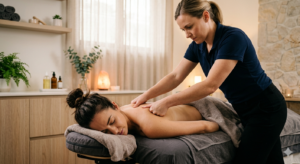
Pressure point therapy (also called trigger point therapy or acupressure-style massage) is a focused form of massage where your therapist finds tight “knots” in your muscles and applies firm, controlled pressure to release them. These points can send pain to other areas, so working on a small spot in your back, neck, or hips can ease pain that you feel somewhere else.
Instead of simply gliding over the whole body, the therapist slows down, sinks into specific points with the fingers, thumbs, or elbows, and holds until the muscle begins to soften and your pain starts to ease.

Do I need pressure point therapy?
You are a good candidate if you:
- Have ongoing muscle knots and tight spots that never fully relax
- Get frequent tension headaches or stress-related pain
- Feel pain that moves or is hard to pinpoint
- Sit at a desk all day and feel stiff and sore by evening

7 signs you need pressure point therapy
1. You have constant muscle knots and tightness
If you always feel small, painful lumps or “ropes” in your shoulders, neck, or back, those are often trigger points. Myofascial pain (pain coming from these tight bands in muscle) is thought to be a major cause of musculoskeletal pain, responsible for up to 85% of back pain and more than half of chronic head and neck pain.
When a normal massage feels good, but the knots quickly come back, pressure point therapy goes deeper into those specific spots to reset the muscle and improve blood flow.
2. You get frequent tension headaches or migraines
Tight muscles in your neck, shoulders, and upper back can trigger headaches that feel like a band around your head or pain behind the eyes. Studies of manual trigger point treatment show it can significantly reduce the frequency and intensity of primary headaches in many people.
If painkillers only give short relief and you notice your headaches start after long workdays or screen time, targeted pressure work around your neck and shoulders may be exactly what you need.
3. Your pain travels or is hard to pinpoint
Trigger points often cause “referred pain” – pain felt in a different area from where the tight spot actually is. For example, a small trigger point in your upper back may cause pain down your arm, or a tight hip muscle might send pain into your knee.
If your pain moves around or scans, and X‑rays have not found a clear structural problem, pressure point therapy can help your therapist track down and release the true source of the discomfort.
4. Desk work leaves you aching every day
Most of the professionals spend long hours at a desk or driving, which leads to rounded shoulders, a forward head, and tight hip flexors. Over time, this posture overloads the same muscles every day, creating trigger points that cause stiffness, soreness, and fatigue.
If you feel heavy, tired shoulders by lunchtime and a stiff lower back by evening, pressure point therapy can loosen those overworked postural muscles and make your regular workday much more comfortable.
5. You feel stressed, anxious, and unable to switch off
Stress does not only live in the mind; it shows up as tight jaw muscles, tense shoulders, a clenched back, and shallow breathing. Research shows that massage can lower cortisol (the main stress hormone) and increase feel‑good chemicals like serotonin and dopamine, helping the body shift into a calmer state.
Acupressure-style work on specific points has also been shown to significantly reduce anxiety levels in some groups, with one study reporting about a 46% drop in anxiety scores. If you feel wired but tired, wake up at night, or constantly feel “on edge,” pressure point therapy can support both your body and your nervous system.
6. You have limited movement or stiffness
Trigger points can “lock” a muscle, reducing how far you can turn your neck, lift your arm, or bend your back. By releasing these points, pressure point therapy can improve your range of motion and make everyday movements like turning to check your blind spot or reaching overhead feel smoother and easier.
If stretching alone is not fixing your stiffness, it often means the muscle needs to be released first, then gently lengthened – exactly what pressure point work is designed to do.
7. Your pain keeps returning after other treatments
Maybe you have tried rest, stretching, heat packs, or even medication, and your pain always returns to the same area. This can be a sign that tight trigger points are still sitting in the muscle and have not been properly addressed.
Evidence suggests that multiple sessions of trigger point massage can keep increasing pain thresholds at these points over time, not just after the first treatment. If your pain pattern keeps repeating, a short series of focused pressure point sessions at Move Origin may finally break the cycle.
Benefits of pressure point therapy
Key pressure point therapy benefits include:
- Targeted pain relief at the true source, not just where you feel the pain
- Reduced muscle tension and release of stubborn knots
- Better flexibility and ease of movement in tight areas
- Fewer tension headaches and stress‑related aches
- Improved circulation and faster recovery after strain
- Deeper relaxation and better sleep quality
Pressure point therapy vs regular massage
| Aspect | Pressure Point Therapy | Regular Relaxation Massage |
| Main goal | Release specific pain‑causing trigger points | General relaxation and stress relief |
| Pressure style | Firm, focused pressure on small areas | Even, flowing strokes over larger areas |
| Best for | Chronic knots, referred pain, tension headaches, stiffness | Mild tension, overall wellness, mental relaxation |
| Sensation during session | Can feel “good pain” or strong pressure on tight spots | Usually gentle to moderate and soothing |
| Results | Often deeper, longer‑lasting change in stubborn problem areas | Calmer nervous system, lighter body, less stress |
If you recognise these seven signs in your own body, your muscles may be asking for more than a general massage, they may need focused pressure point therapy. For residents and workers in Bella Vista, Move Origin offers professional, tailored sessions that target the real source of pain, support relaxation, and help you move freely again.
Book your pressure point therapy session at Move Origin in Bella Vista today and take the first step towards lasting pain relief and a calmer, more comfortable body.
FAQs
1. Is pressure point therapy painful?
You may feel a strong, “good hurt” sensation when the therapist works on a tight point, but it should always stay within your comfort level. At Move Origin, your therapist will check in with you and adjust pressure so you feel safe and supported.
2. How many sessions will I need?
This depends on how long you have had the problem and how your body responds. Some people feel noticeable relief after one or two sessions, while chronic issues may need a short series of treatments for lasting change.
3. Can pressure point therapy help headaches and migraines?
Yes, many people with tension‑type headaches and some migraine patterns benefit from trigger point work in the neck, shoulders, and jaw. Research shows manual trigger point treatments can significantly reduce headache frequency and intensity in adults with primary headaches.
4. Is pressure point therapy safe for everyone?
Most people can safely receive pressure point therapy, but it may need to be modified if you are pregnant, have certain medical conditions, or take blood‑thinning medication. Always tell your Move Origin therapist about your health history so they can plan a suitable, safe session.
5. How is pressure point therapy different from deep tissue massage?
Deep tissue massage works more broadly into deeper layers of muscle over larger areas, while pressure point therapy focuses on very specific knots and referral zones. In many cases, your therapist will blend both approaches for the best result.
6. What happens in a pressure point session at Move Origin?
Your therapist will first ask about your pain, lifestyle, and goals, then gently palpate to find key trigger points. They will apply sustained pressure, hold until the muscle softens, and combine this with stretching or other techniques to support long‑term relief.
7. Can pressure point therapy help with stress and sleep?
Yes. By releasing physical tension and calming the nervous system, targeted massage and acupressure‑style techniques can reduce stress hormones and support better sleep quality. Many clients report feeling both lighter in their body and calmer in their mind after a session.
