
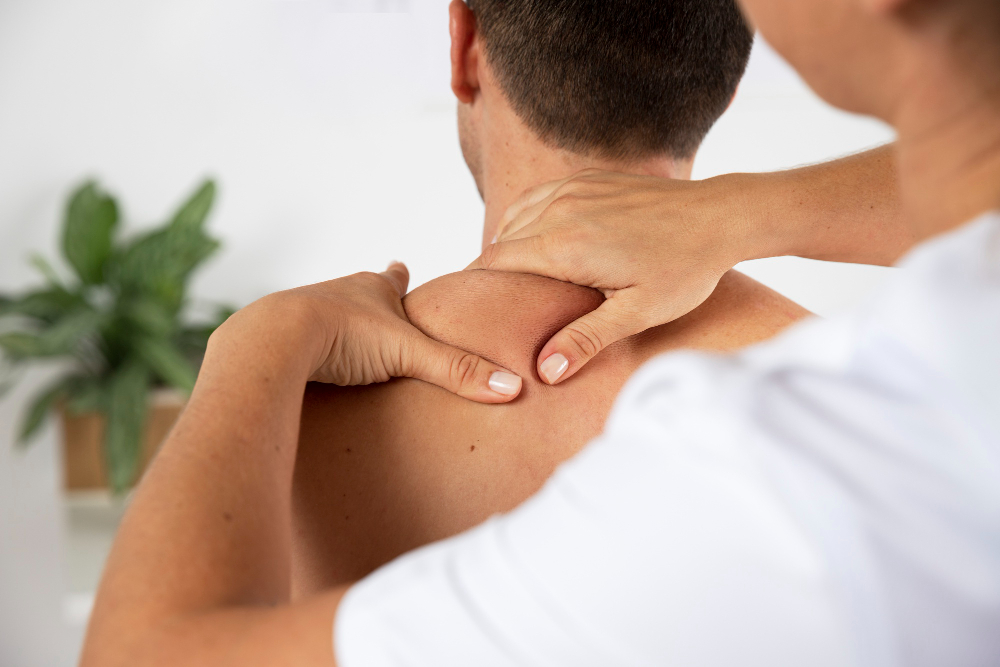
Why Your Body Deserves More Than Just Rest
You train hard. You push your body every day. But recovery is just as important as the workout itself.
Many athletes and active people focus entirely on training and completely overlook recovery. The result? Tight muscles, nagging injuries, slower performance, and burnout.
Sports massage treatment is one of the most effective, evidence-backed recovery tools available. According to research published in the Journal of Athletic Training, massage therapy reduces muscle soreness by up to 30% and significantly improves range of motion after intense physical activity.
Whether you are a competitive athlete, a weekend runner, or someone who simply stays active, sports massage treatment can change the way your body feels and performs.

What Is Sports Massage Treatment?
Sports massage treatment is a specialised form of massage therapy designed for physically active people. It uses a combination of deep tissue techniques, stretching, compression, and targeted muscle work to support the body before, during, and after physical activity.
Unlike a relaxation massage, sports massage focuses on specific muscle groups that are under stress from exercise or repetitive movement. It is used to prevent injury, support recovery, improve flexibility, and enhance athletic performance.
It is not just for elite athletes. Anyone with an active lifestyle can benefit.
Top 10 Benefits of Sports Massage Treatment
1. Faster Muscle Recovery
After intense exercise, muscles accumulate lactic acid and other metabolic waste. Sports massage increases blood circulation, which helps flush out these waste products faster. This means less soreness and a quicker return to training.
2. Reduced Muscle Soreness (DOMS)
Delayed onset muscle soreness (DOMS) typically peaks 24 to 48 hours after exercise. Regular sports massage treatment significantly reduces the severity of DOMS by improving circulation and reducing inflammation in the muscle tissue.
3. Improved Flexibility and Range of Motion
Tight muscles restrict movement. Sports massage works on the fascia, the connective tissue surrounding muscles, to release tension and improve flexibility. A greater range of motion means better technique and a lower risk of injury during training.
4. Injury Prevention
Sports massage identifies areas of tightness, imbalance, and overuse before they develop into serious injuries. Keeping muscles balanced and flexible, it reduces the likelihood of strains, tears, and chronic pain conditions.
5. Faster Injury Rehabilitation
If you are recovering from a sports injury, targeted massage therapy accelerates healing by increasing blood flow to the affected area, reducing scar tissue formation, and restoring normal tissue function.
6. Reduced Anxiety and Mental Fatigue
Physical performance is deeply connected to mental state. Sports massage reduces cortisol (the stress hormone) and increases serotonin and dopamine levels. The result is improved mood, better sleep, and sharper mental focus going into training or competition.
7. Better Circulation and Oxygen Delivery
Massage stimulates blood flow throughout the body. Improved circulation means muscles receive more oxygen and nutrients — essential for performance, endurance, and recovery.
8. Removal of Scar Tissue
Repeated exercise or past injuries can cause scar tissue to build up in muscles and connective tissue. This restricts movement and causes discomfort. Deep tissue sports massage breaks down scar tissue gradually, restoring normal function and reducing pain.
9. Improved Posture and Body Awareness
Muscle imbalances caused by repetitive movements, running, cycling, and lifting can pull the body out of alignment. Sports massage addresses these imbalances, improving posture and helping athletes move more efficiently.
10. Enhanced Athletic Performance
All of the above benefits add up to one powerful outcome, better performance. Athletes who receive regular sports massage treatment train more consistently, recover faster, move with greater freedom, and sustain fewer injuries over time.
Sports Massage vs. Regular Massage:
| Feature | Sports Massage | Regular Relaxation Massage |
| Primary Goal | Performance and recovery | Relaxation and stress relief |
| Pressure Level | Deep, targeted, firm | Light to medium |
| Techniques Used | Deep tissue, compression, stretching | Swedish, effleurage, light strokes |
| Best For | Athletes, active people | General wellness, stress relief |
| Timing | Pre/post-exercise or ongoing | Anytime |
| Injury Focus | Yes — prevention and rehab | No |
| Recommended Frequency | Weekly or fortnightly | Monthly or as needed |

What the Research Says About Sports Massage?
A study published in the British Journal of Sports Medicine found that sports massage significantly reduced perceived muscle fatigue and improved recovery time in endurance athletes. Another review in the Journal of Sports Sciences confirmed that massage therapy before exercise improves flexibility and reduces the risk of muscle injury.
Research also shows that regular massage therapy lowers cortisol levels by up to 31% and increases serotonin by 28%, supporting both physical recovery and mental well-being.
These are not small effects. For serious athletes and active people, they translate into real, measurable gains in performance and longevity.
Who Can Benefit from Sports Massage Treatment?
Sports massage is not reserved for elite athletes. It is for anyone whose body works hard.
Competitive athletes use sports massage to prepare for events, recover between training sessions, and reduce injury risk throughout their season.
Runners benefit from targeted work on the hamstrings, calves, IT band, and hip flexors — the muscle groups most stressed by running.
Gym enthusiasts use sports massage to manage DOMS, maintain flexibility, and prevent overuse injuries from lifting and resistance training.
Cyclists often develop tightness in the quads, lower back, and hip flexors. Regular massage keeps these areas supple and balanced.
Physically active professionals — tradespeople, healthcare workers, teachers — whose jobs involve repetitive physical demands also benefit greatly from regular sports massage treatment.
Anyone returning from injury can use targeted massage therapy as part of a structured rehabilitation plan.
Give Your Body the Recovery It Deserves
Training is only half the equation. Recovery is where the real progress happens. Sports massage treatment is one of the most effective tools for reducing injury, improving performance, and helping your body feel its best. The evidence is clear. The benefits are real.
Frequently Asked Questions
Q1. What is sports massage treatment, and how is it different from a regular massage?
Sports massage treatment is a targeted therapy designed for physically active people. It uses deep tissue techniques, stretching, and compression to support muscle recovery and prevent injury. Unlike a relaxation massage, it focuses specifically on performance, recovery, and physical function rather than general relaxation.
Q2. How often should I get a sports massage?
For active people in regular training, fortnightly sports massage is recommended. Athletes in heavy training phases or pre-competition may benefit from weekly sessions. For general maintenance and injury prevention, once a month is a good starting point.
Q3. Is sports massage painful?
Sports massage involves firm pressure, which can feel intense, especially on tight or sore muscles. It should not be unbearable. A skilled therapist will adjust pressure based on your comfort and goals. Some tenderness in the 24 hours following the session is normal and temporary.
Q4. Can sports massage help with injury recovery?
Yes. Sports massage is widely used in injury rehabilitation. It increases blood flow to the injured area, reduces scar tissue formation, and helps restore normal muscle function. It works best as part of a broader recovery plan alongside physiotherapy or medical advice.
Q5. When is the best time to get a sports massage, before or after exercise?
Both have benefits. A pre-exercise sports massage focuses on warming up muscles, improving flexibility, and preparing the body for activity. A post-exercise massage focuses on reducing soreness, flushing out metabolic waste, and supporting recovery. Most people benefit most from post-exercise sessions.
Q6. Is sports massage suitable for non-athletes?
Absolutely. Anyone with an active lifestyle — gym goers, runners, cyclists, physically demanding professionals, or people managing chronic muscle tension — can benefit from sports massage treatment. It is not limited to competitive sport.
Q7. How do I find a qualified sports massage therapist in Bella Vista?
Look for a registered therapist with specific training in sports and remedial massage. In Bella Vista, Move Origin provides professional sports massage treatment delivered by experienced therapists who specialise in athletic and active body recovery.
